
INTRODUCTION
In fall 2020, the Shubenacadie Canal Commission officially announced Transitions—a three-year research and planning project to increase awareness, access, and usage of the Shubenacadie Canal Waterway as a natural and cultural resource. It will shine a light on the rural sections of the waterway and tell new stories that promote the contributions made by previously underrepresented groups such as the Mi'kmaq, Acadians, Gaels, African Nova Scotians, and women. This will involve making enhancements to the exhibits and interpretive information along the waterway and at the Fairbanks Centre in Dartmouth.
BACKGROUND
Nova Scotia’s largest river basin is the Shubenacadie, stretching 72 km from Enfield to Maitland on the Cobequid Bay. The entirety of the Shubenacadie Canal Waterway system spans 114 km, connecting Kjipuktuk (Halifax Harbour) to Pekwitapa’qek (the Bay of Fundy) and consisting of seven lakes and one river.
The project seeks to combine the historical and cultural heritage of the waterway with its rapidly changing rural communities and landscapes. It is about taking the opportunity to document, illustrate, and forecast the waterway’s natural and humanmade transitions. The focus is on the changing needs of communities and the ecologies and economies of the river system, especially over the last 158 years (corresponding to the development of the Shubenacadie Canal system).
Transitions will show how this past can inform the present and how history, new technologies, and the natural environment can together shape our future. It is an opportunity to tell new stories and to engage in different dialogue with the community. It is time for the Shubenacadie Canal Commission to expand the interpretation of sites to include vital subjects such as the cultural memory, both past and present, of Mi’kmaw communities.
TRANSITIONS IS FOCUSED ON TWO PRIORITIES:
1. Work with Rights Holders and Stakeholders to raise awareness, conduct research, and fund pilot projects that highlight the rural river section of the waterway, including its unique natural and cultural histories, the world’s highest tides, fishing, mining, dairy farming, and rapidly changing rural communities.
2. Substantially rework and augment the exhibit space at the Fairbanks Centre in Dartmouth to include these research findings and to promote cultural awareness of the contributions of underrepresented people, notably women and families, Mi’kmaq, Acadians, Gaels, African Nova Scotians, and immigrants.
Transitions is implemented in three phases:
(1) consultation and planning;
(2) research, design, and pilot projects; and
(3) completion of the new exhibits, displays, and learning and evaluation events.
Fairbanks Interpretive Centre Redevelopment
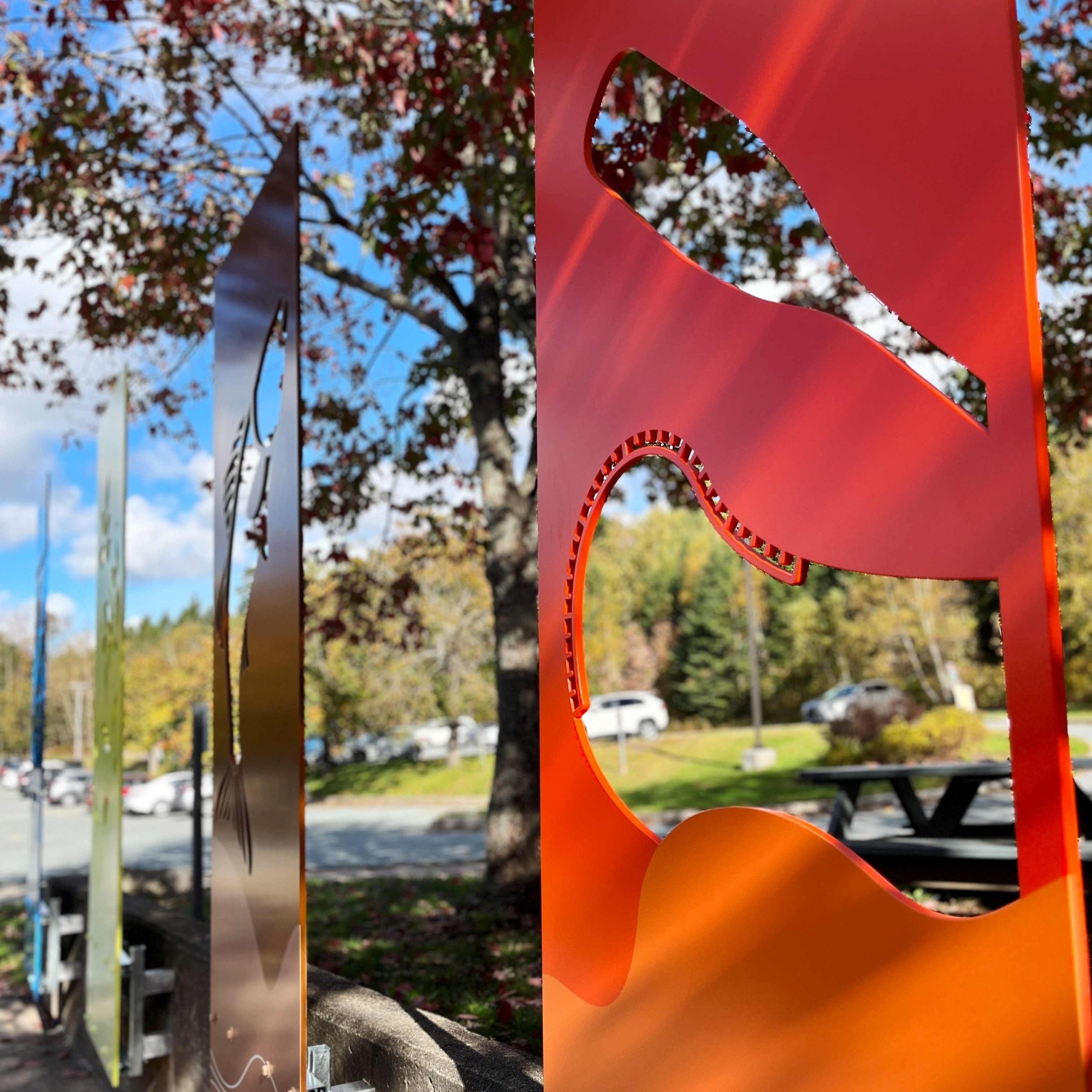
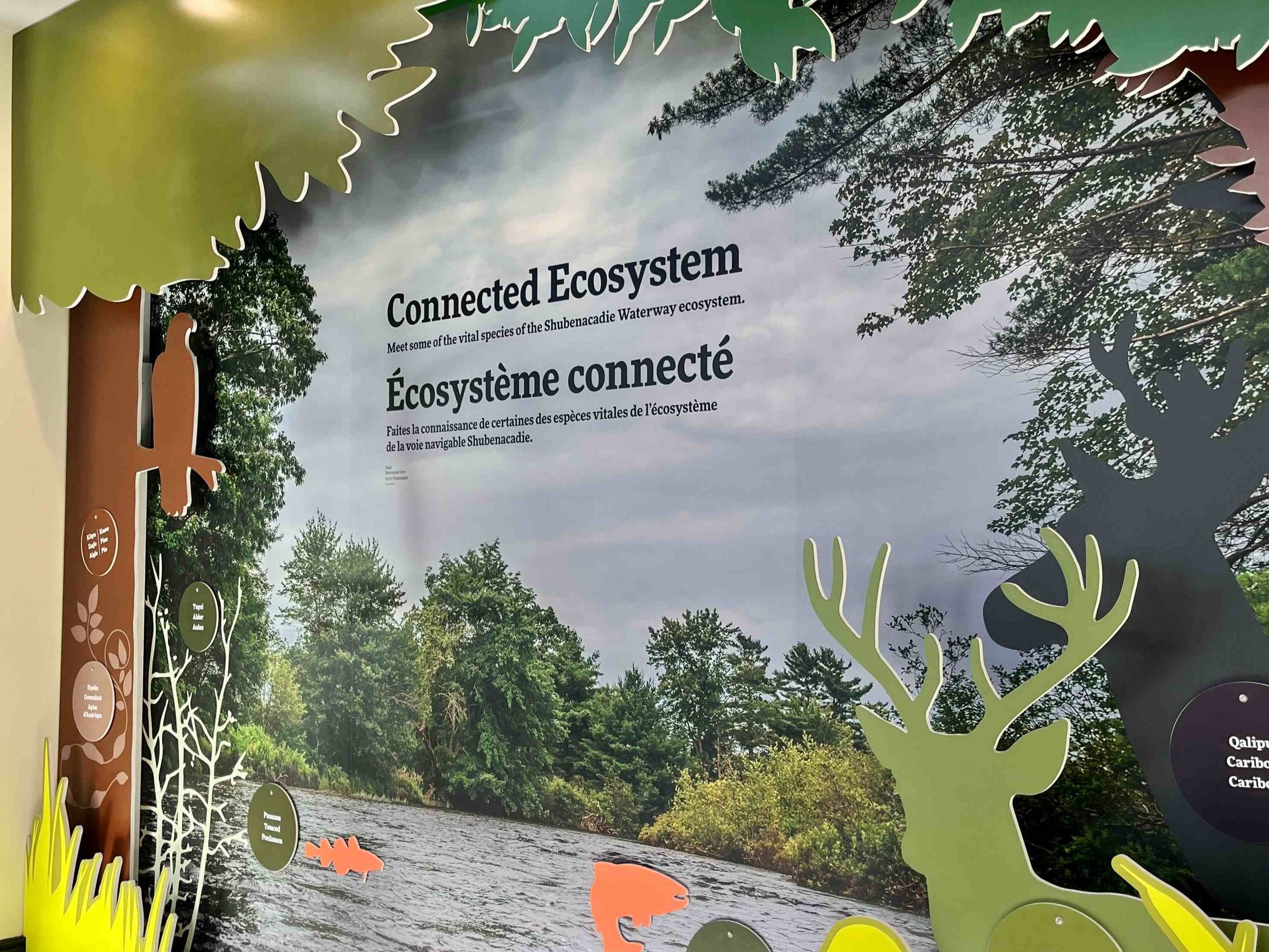
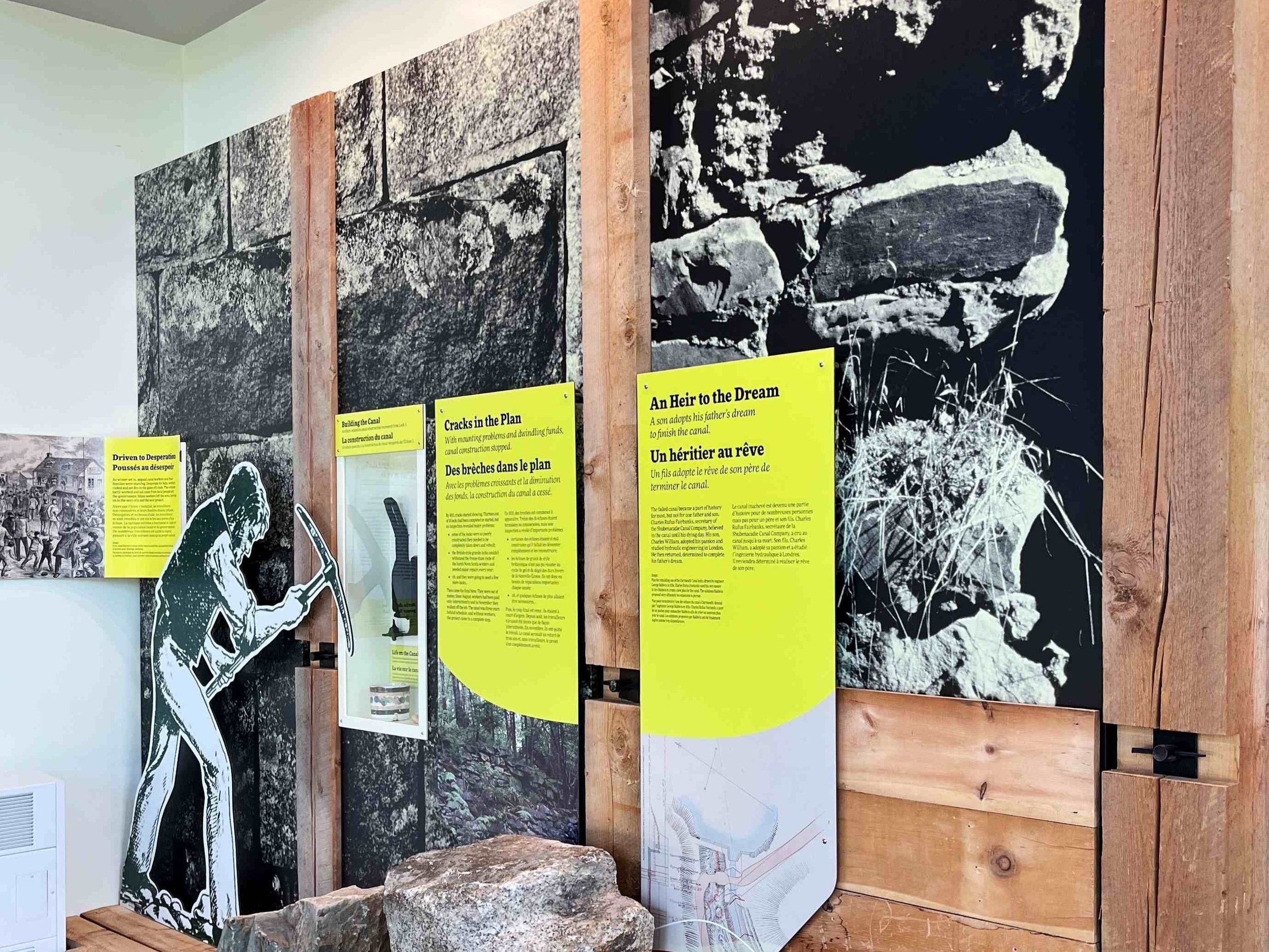
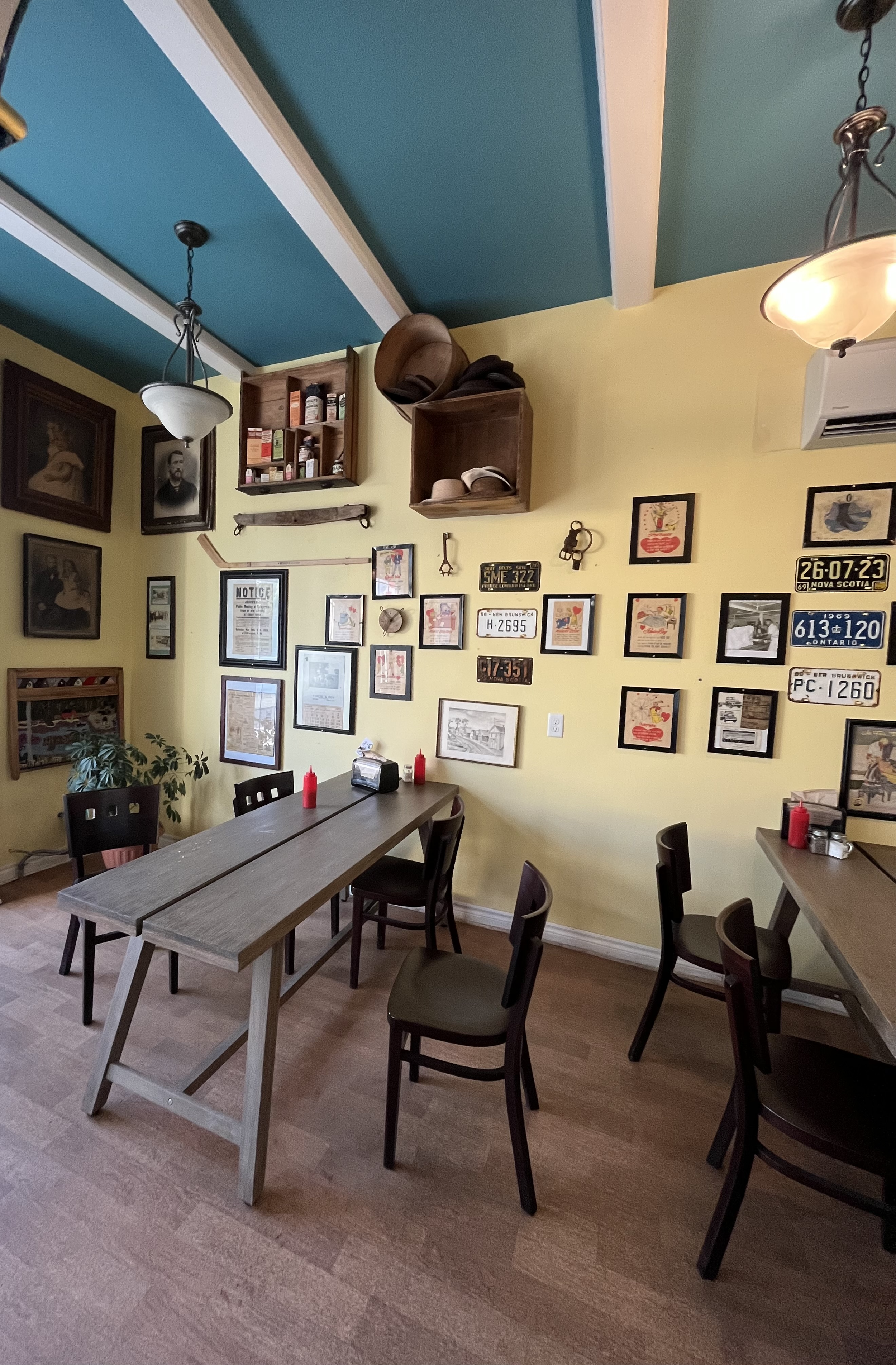
The waters, shores, and communities of the Shubenacadie Waterway are home to thousands of years of cultural and natural history. The new exhibits are a dynamic shift from the singular story of the Canal to a shared stewardship of the Shubenacadie Waterway through the flow of connection.
The new exhibits are now complete and we invite the public to the opening reception on November 5 at 1:00pm.
Pilot Projects
Innovative and original pilot projects are a key component of the Transitions project. Each project has been selected for funding based on its potential to create new opportunities, engage diverse stakeholders, and improve the experience of residents and visitors to the river. Browse the gallery below to explore the Transitions Pilot Projects.
-
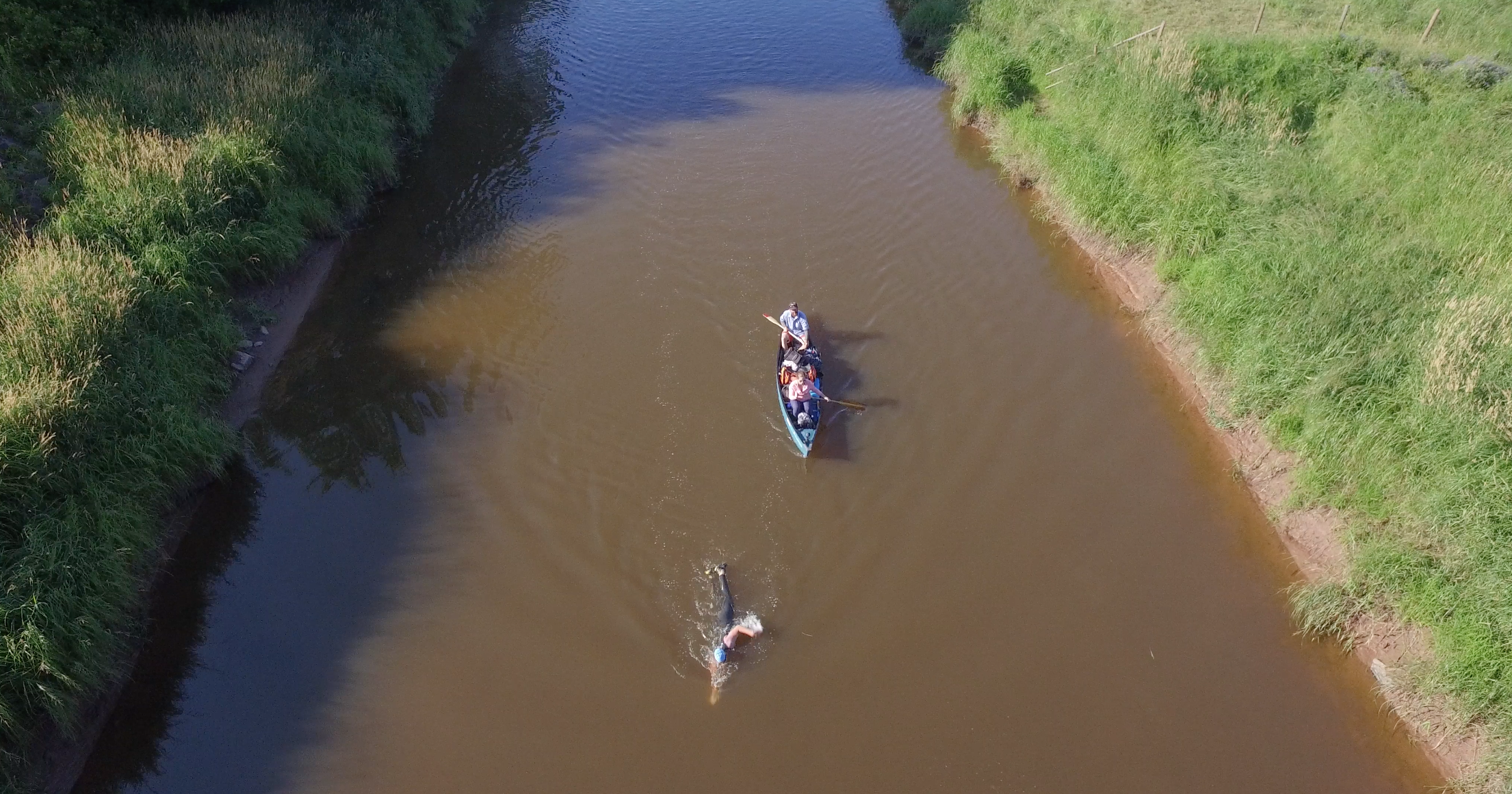
Film documenting a 114km swim through the Shubenacadie Waterway that will inspire people to explore the Waterway.
-
A five part video storytelling series that will highlight sustainable uses of the waterway and create a platform for sharing stories.
-
Professional travel writers will produce stories and itineraries that draw attention to the wide range of experiences and businesses along the Waterway.
-
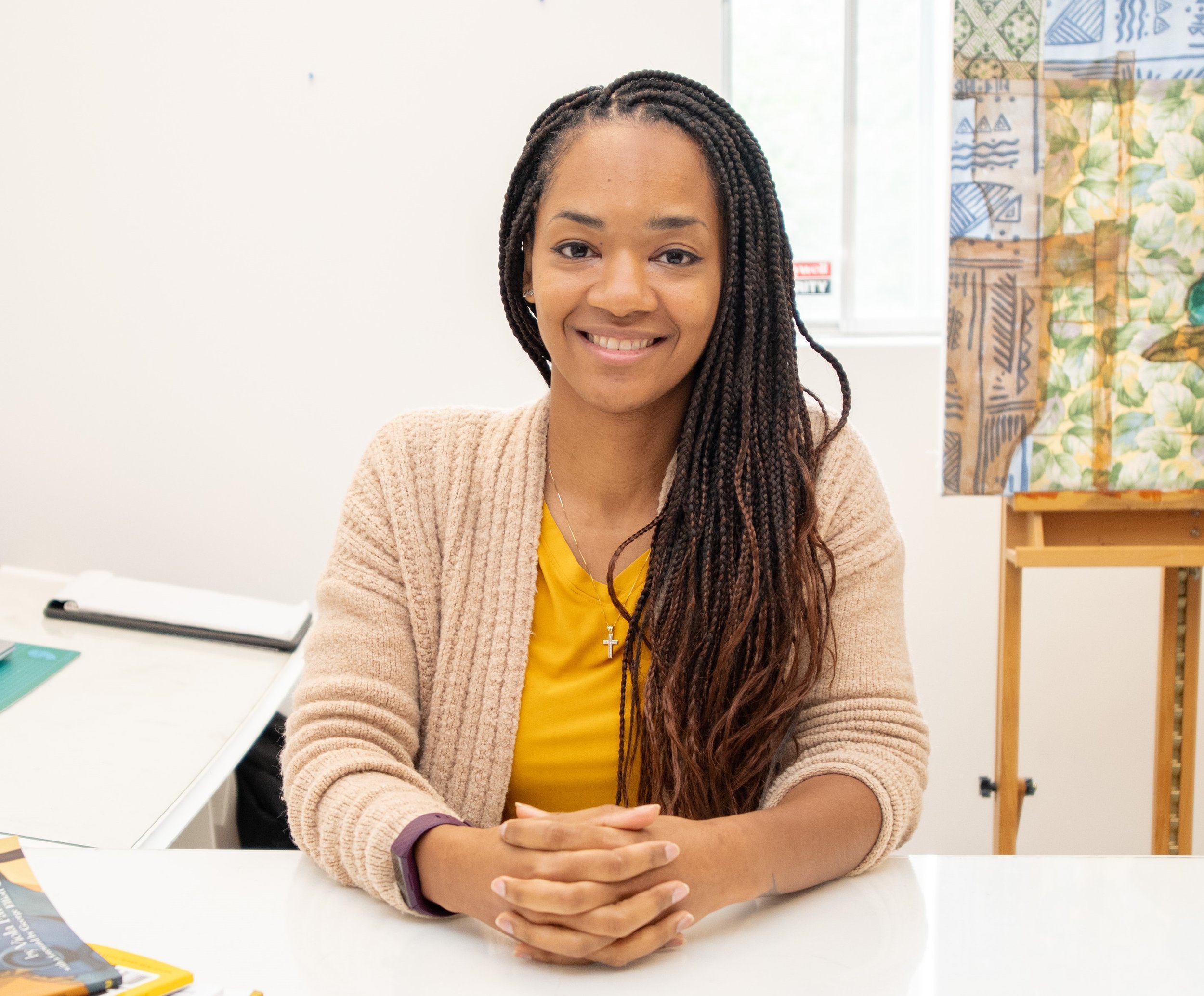
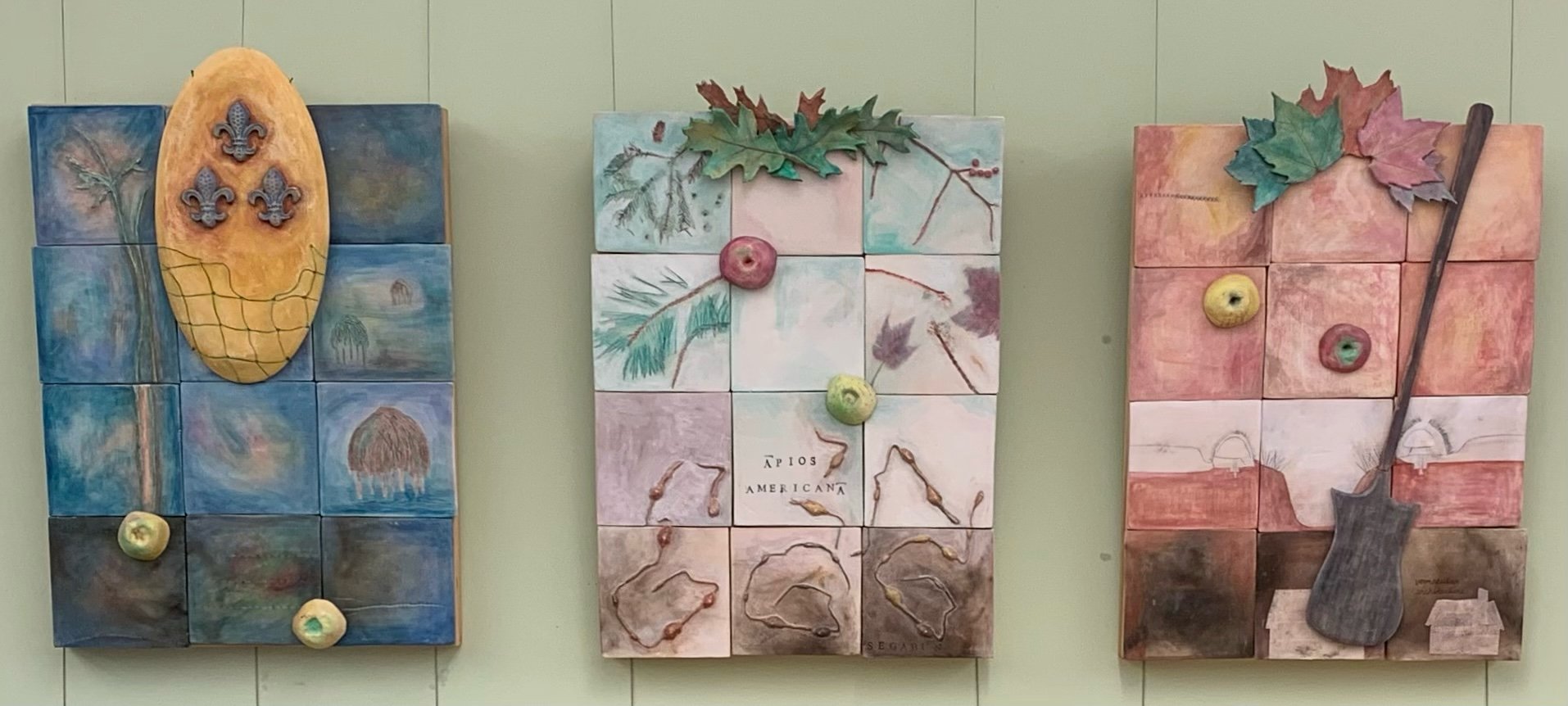
Artist Letitia Fraser will create and exhibit a series of artwork based on Black settlement and community along the Shubenacadie Waterway.
-
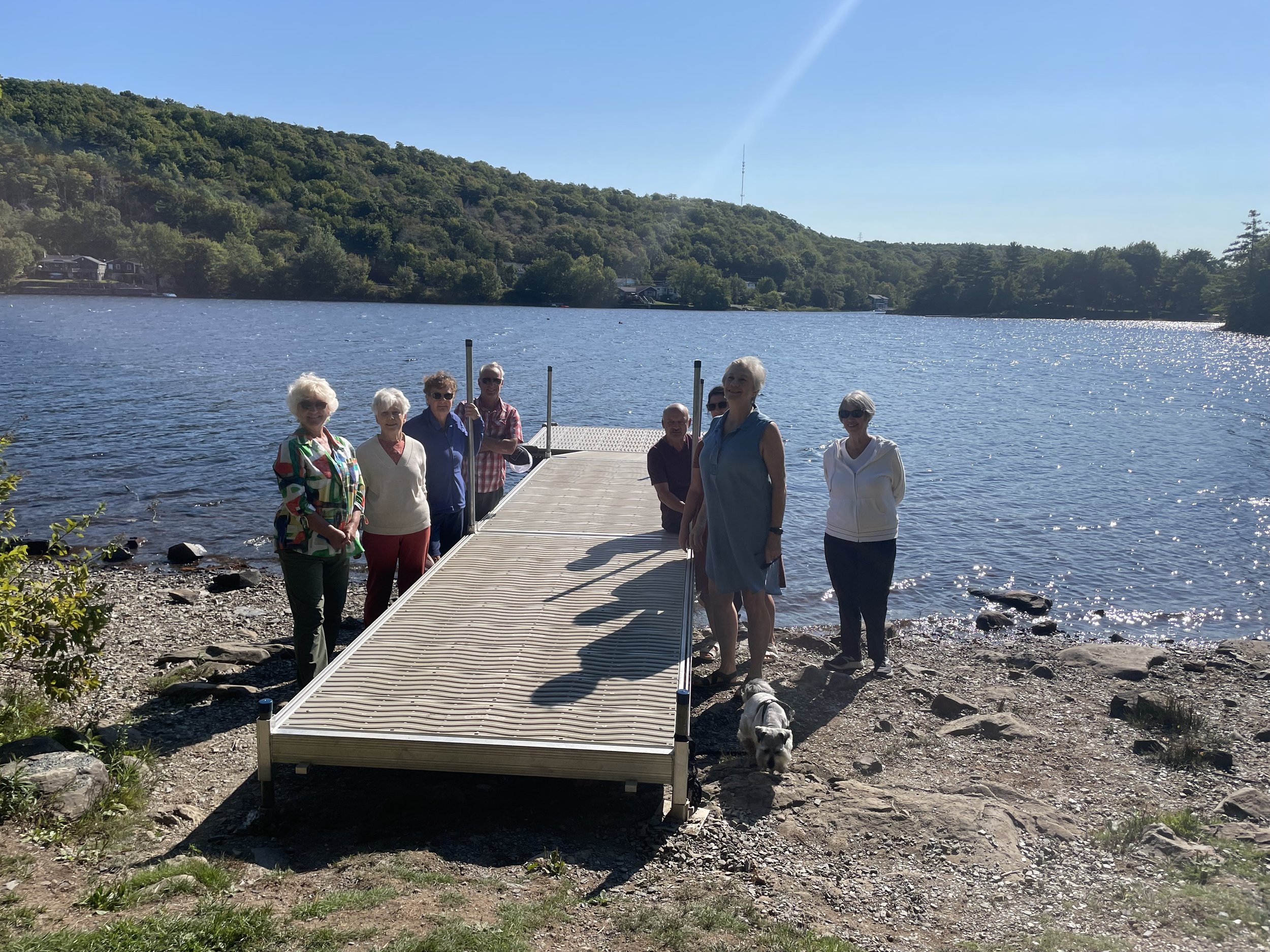
Transitions funded the purchase and installation of a public docking system at McDonald Sports Park that was installed in Spring 2022.
-
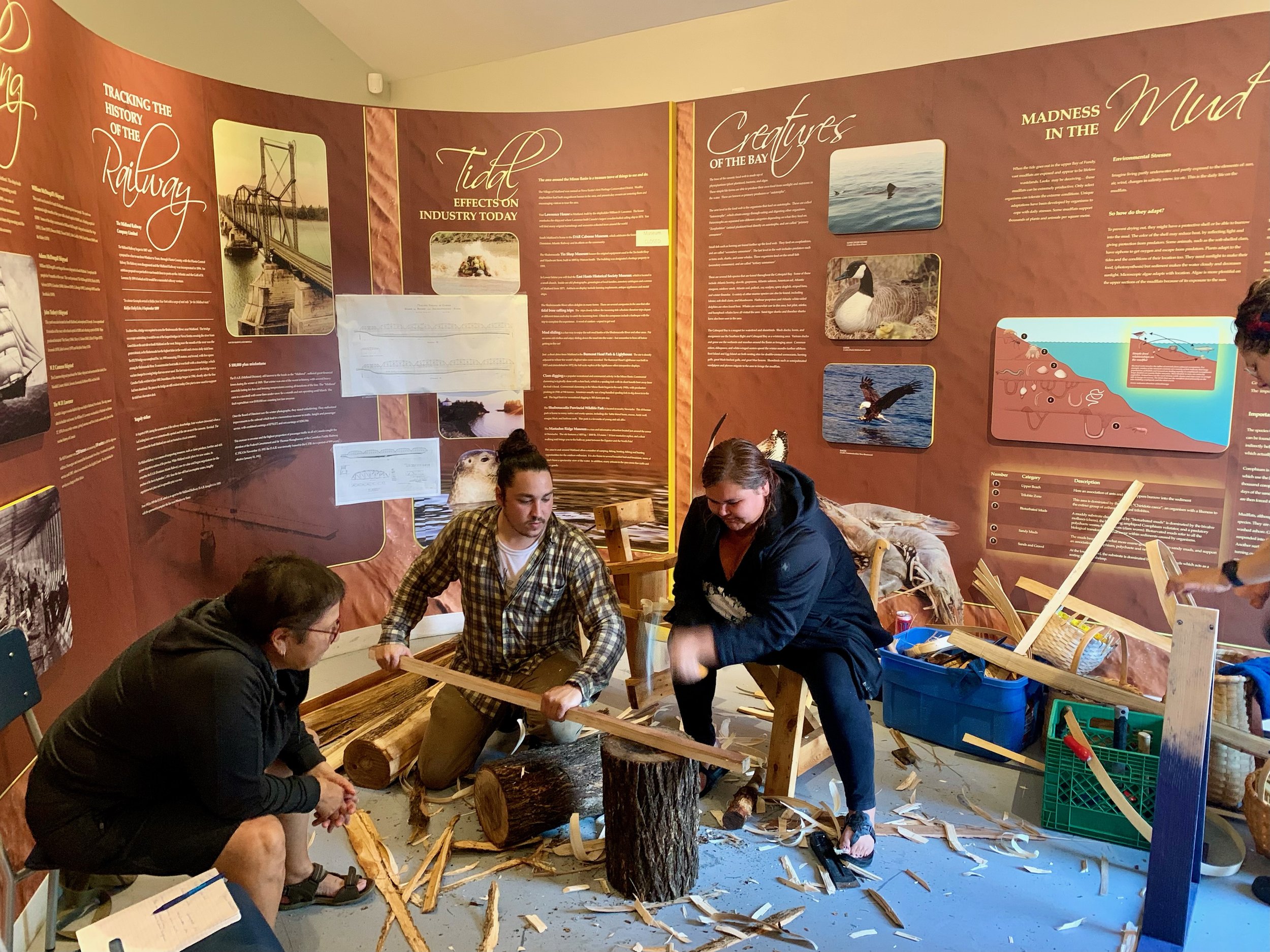
Chenise Hache and James Doucette of Reclaiming Our Roots will coordinate and deliver a series of workshops connected with the Shubenacadie Waterway. The workshops are rooted in the mission of Reclaiming Our Roots: (Re)connecting Indigenous and Non-Indigenous youth with meaningful land-based knowledge rooted in Mi’kmaw values. Workshops will include ash processing with Reclaiming Our Roots, working with natural clay led by artist Lux Habrich, basket making with Hannah Martin, and canoe paddle making with Kyle Gloade.
Reclaiming Our Roots is hosted two public workshops in 2022 where they shared traditional and contemporary methods of processing black and white ash into splints used for basketry and the ji’kmaqn, a traditional Mi’kmaw instrument. This workshop will incorporate demonstrations as well as hands-on learning opportunities to practice processing methods and discuss core Mi’kmaw values such as netukulimk, msit no’kmaq, and etuaptumumk (two-eyed seeing).
-
The Shubenacadie Canal Commission has been working with Ducks Unlimited to highlight our Lock 6 park site as part of the Treasured Wetlands program. This program provides an excellent opportunity to encourage Nova Scotians and visitors alike to explore this unique park that showcases a piece of Nova Scotia’s built heritage and the fascinating ecosystem of a forested wetland.
FOR MORE INFORMATION
This project has been completed.
THANK YOU TO OUR SUPPORTERS
The Shubenacadie Canal Commission graciously thanks supporters and funders of the Transitions project:


