Canada Summer Jobs: Investing in the Future of the Shubenacadie Canal

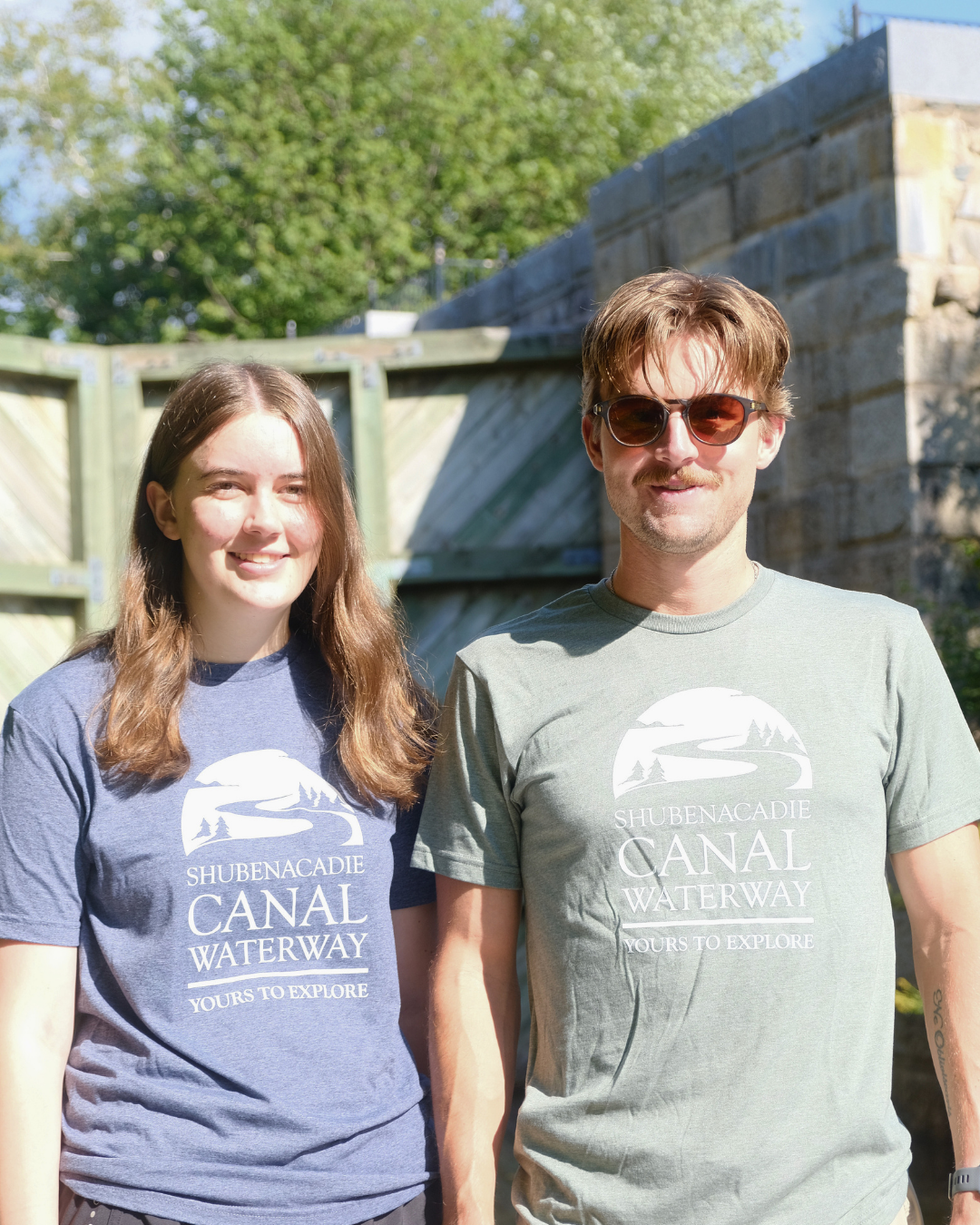
We are incredibly grateful for the support provided through the Canada Summer Jobs program, which made it possible for the Shubenacadie Canal Commission (SCC) to create a Marketing & Community Engagement Coordinator position and continue our staffed Guided Tour position this summer.

For a small non-profit organization like the SCC, funding opportunities such as Canada Summer Jobs are incredibly important. They allow us to add valuable capacity at a time when there is so much work to be done, while also giving us the opportunity to develop new ideas, programs and resources that will continue to benefit the SCC and our community long after the summer positions have ended.

Over 12 weeks, our Marketing & Community Engagement Coordinator, Ella, worked on a wide range of projects, including supporting our raffle campaign (our main fundraiser), developing awareness and engagement initiatives for the Bicentennial, creating social media and seasonal content and researching youth engagement opportunities.

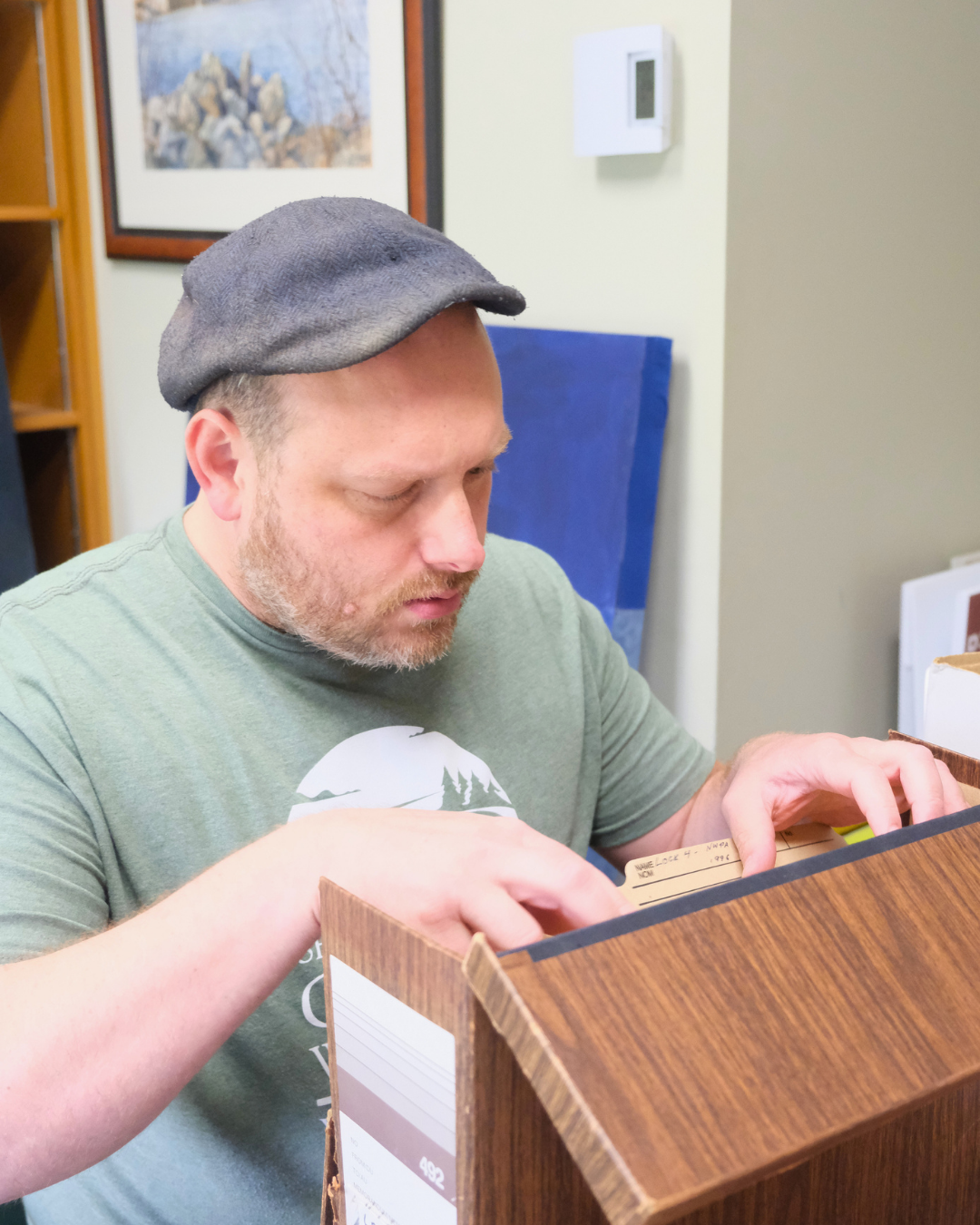
Our Guided Tour position, filled by Jon, also played an important role in connecting visitors with the history and natural environment of the waterway. Over the summer, Jon provided guided tours at no cost to school groups, daycares and day camps, while also creating social media content highlighting the history and nature of the canal. Twice a week, Jon was onsite at the Flume House in Starr Park, providing interpretation to visitors from near and far and helping them discover the fascinating history of the Shubenacadie Canal. He also offered a special history-based tour at Lock 6 Park as part of Wetland Appreciation Day.

Together, these positions helped us support key SCC programs and allowed us to keep the Fairbanks Interpretive Centre open to the public on Saturdays throughout the summer.

This is the real value of programs like Canada Summer Jobs. The investment provides young people with meaningful work experience while helping community organizations like the SCC strengthen their communications, interpretation, outreach and community connections. It allows us to do more, reach more people and create resources and experiences that have a lasting impact.

We sincerely thank the Government of Canada for supporting these opportunities and for recognizing the important role that summer employment programs play in strengthening communities. This funding has made a meaningful difference to the work we are able to do and to the experiences we can offer visitors and our community along the Shubenacadie Canal.

Help Us Protect Lock 4 Park

Lock 4 Park in Fall River has experienced an escalating series of vandalism incidents that are damaging both a community recreational space and an important piece of Nova Scotia’s heritage.

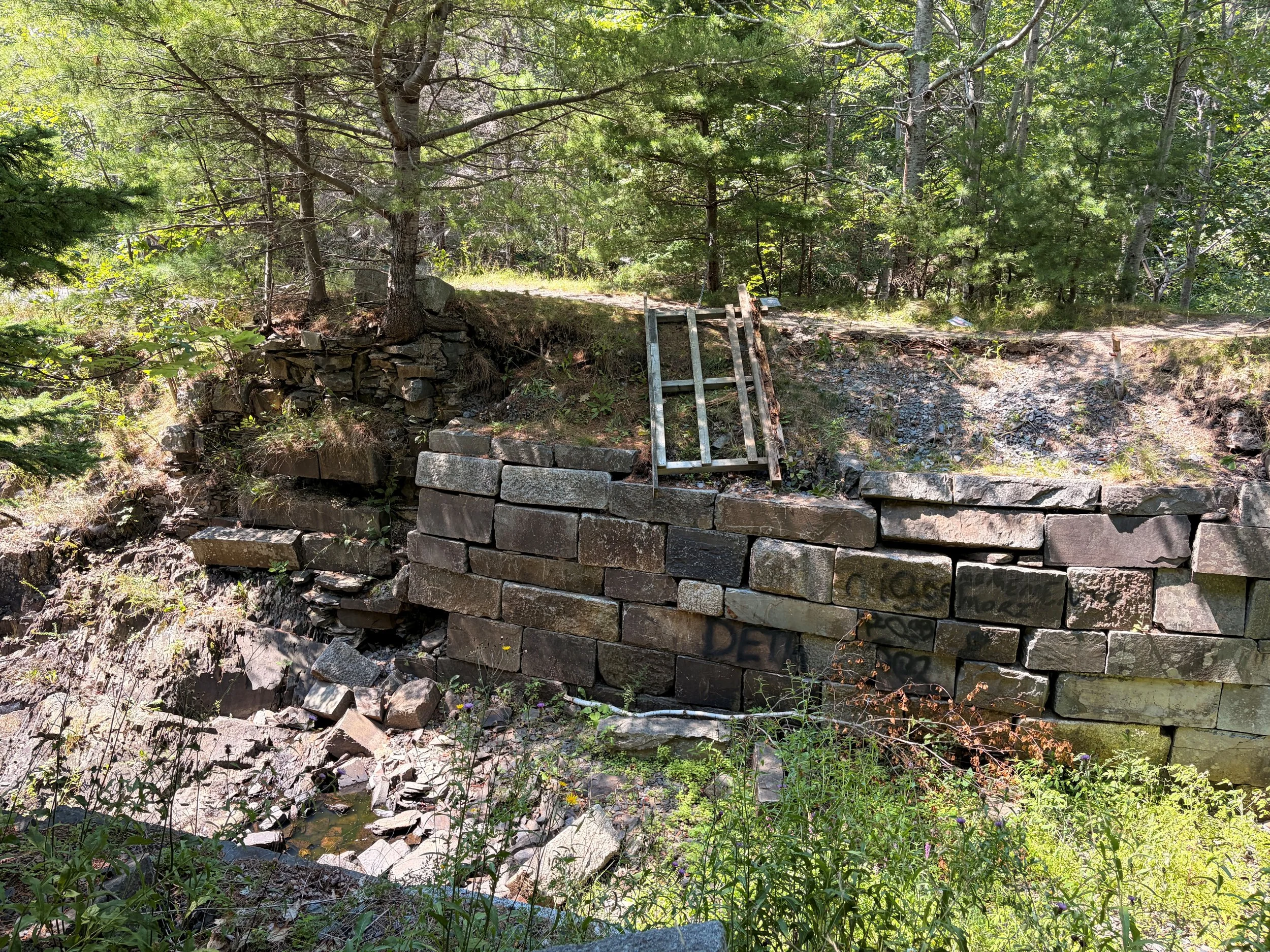
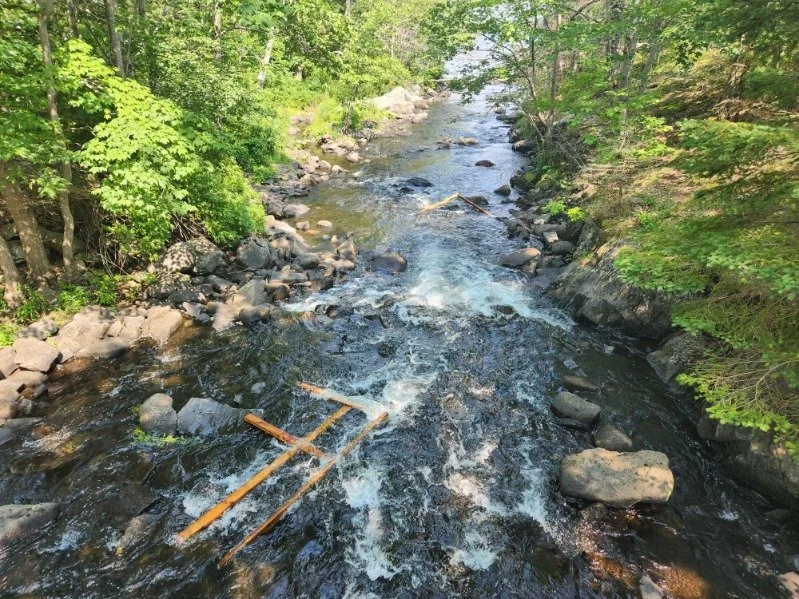
In August, two safety railings were completely ripped out and thrown into the water. One was torn from a closed section of trail and pushed into the historic lock. Days later, the railing from the park’s access ramp, installed just last summer, was torn off and thrown into the river.

These incidents follow an ongoing pattern of vandalism at the site, including:

  • graffiti on the historic stone lock walls;

  • reports of stones being pulled from the historic lock;

  • damage to park infrastructure; and

  • repeated theft, removal or destruction of safety signs, barriers and trail closures.

Why this matters

Lock 4 Park is a public space used by community members for walking, fishing, paddling and access through the neighbourhood. Damaging safety infrastructure and removing trail closures can put visitors at risk and may result in areas of the park having to be temporarily closed.

The vandalism is also affecting an important heritage resource. Lock 4 contains stonework dating to the earliest construction of the Shubenacadie Canal in the 1820s and was designated by the Province of Nova Scotia as a Special Place in recognition of its historical and archaeological significance.

The Shubenacadie Canal Commission is a small non-profit charity responsible for caring for the site and providing public access. Every incident requires staff time and financial resources to document damage, make areas safe and arrange repairs. Those are resources that could otherwise be directed toward preserving and improving the waterway.

Help us protect Lock 4

The recent incidents have been reported to the RCMP.

If you witnessed vandalism at Lock 4 Park or have information that may assist the investigation, please contact the RCMP Halifax Regional Detachment at 902-490-5020 and reference File #2026-124185.

If you notice new damage or a safety concern at Lock 4 Park, please contact the Shubenacadie Canal Commission.

Lock 4 is part of our shared heritage and a community space cared for for everyone to enjoy. Please help us protect it.

Celebrating 200 Years: The Beginning of the Shubenacadie Canal Bicentennial

July 25, 2026 marks an important milestone in Nova Scotia's history - the 200th anniversary of the beginning of construction of the Shubenacadie Canal.

On July 25, 1826, construction officially began in what is now Shubie Park, marking the start of one of the most ambitious engineering projects ever undertaken in Nova Scotia. The vision was to create a navigable inland transportation route linking Halifax Harbour with the Bay of Fundy by connecting the region's lakes and rivers through a series of canals, locks, dams and marine railways.

Today, the Shubenacadie Canal Commission preserves and interprets this important heritage while providing opportunities for people to experience the waterway's history, culture and natural beauty.

While the canal's story began in 1826, the history of the Shubenacadie Waterway reaches back thousands of years. Long before canal construction, the Mi'kmaq travelled these interconnected lakes, rivers and portage routes. For thousands of years, the waterway has supported Mi'kmaw communities and remains a place of deep cultural and historical significance.

Construction took place over many years and in two major phases before the canal system was completed in 1861, connecting the natural lakes and waterways through a series of locks, canals and marine railways.

Although the canal's commercial life was relatively brief as railway transportation emerged, it remains an extraordinary engineering achievement and an enduring part of Nova Scotia's heritage.

Today, the Shubenacadie Waterway is a place where people can experience history, recreation and nature together. Visitors can explore historic locks, paddle interconnected waterways, walk scenic trails and discover the many stories that have shaped this remarkable landscape.

This anniversary marks the beginning of the Shubenacadie Canal Bicentennial Commemoration, a year of reflection, storytelling and community engagement.

Throughout the coming year, the Shubenacadie Canal Commission will share stories from the canal's past, highlight its people and places, and create opportunities for communities to connect with the canal and the broader waterway that has linked communities for generations.

Support the Bicentennial

As we commemorate 200 years since construction of the Shubenacadie Canal began, you can help preserve and share this heritage for future generations.

As a registered charity, the Shubenacadie Canal Commission relies on community support. There are several ways to help:

  • Make a Donation

  • Adopt a Lock

  • Make a Dedication

  • Become a Leadership Donor

Your support helps us preserve historic canal features, provide public access and interpretation, and share the stories of the Shubenacadie Canal and Waterway.

Thank you for being part of the next chapter of the Shubenacadie Canal's story.

Lock 6 Marshland Boardwalk Update

July 23, 2026 

The Shubenacadie Canal Commission has decided not to proceed with reconstructing the Lock 6 Marshland Boardwalk in Enfield following a comprehensive review of technical, environmental, and site-specific information.

The Marshland Boardwalk, originally constructed in 2019, was destroyed during the extreme flooding event of July 2023.

Following the flood, the Commission undertook an engineering assessment to evaluate reconstruction options and pursued funding opportunities to support a potential rebuild. Before construction began, however, the March 18, 2026 flood prompted the Commission to seek additional information. Damage to other infrastructure at the Lock 6 site raised questions about how the proposed Marshland Boardwalk would perform under similar flood conditions.

The Commission shared these observations with the consulting engineer, sought clarification on how they related to the proposed design, obtained environmental guidance, and further considered whether reconstructing the boardwalk represented the most appropriate long-term approach in a flood-prone area.

Following this review, the Commission determined that reconstruction was not the most appropriate long-term approach.

Lock 6 Park Remains Open

Visitors can continue to enjoy many of the features that make Lock 6 Park a unique destination, including:

  • the one-kilometre forest walking trail;

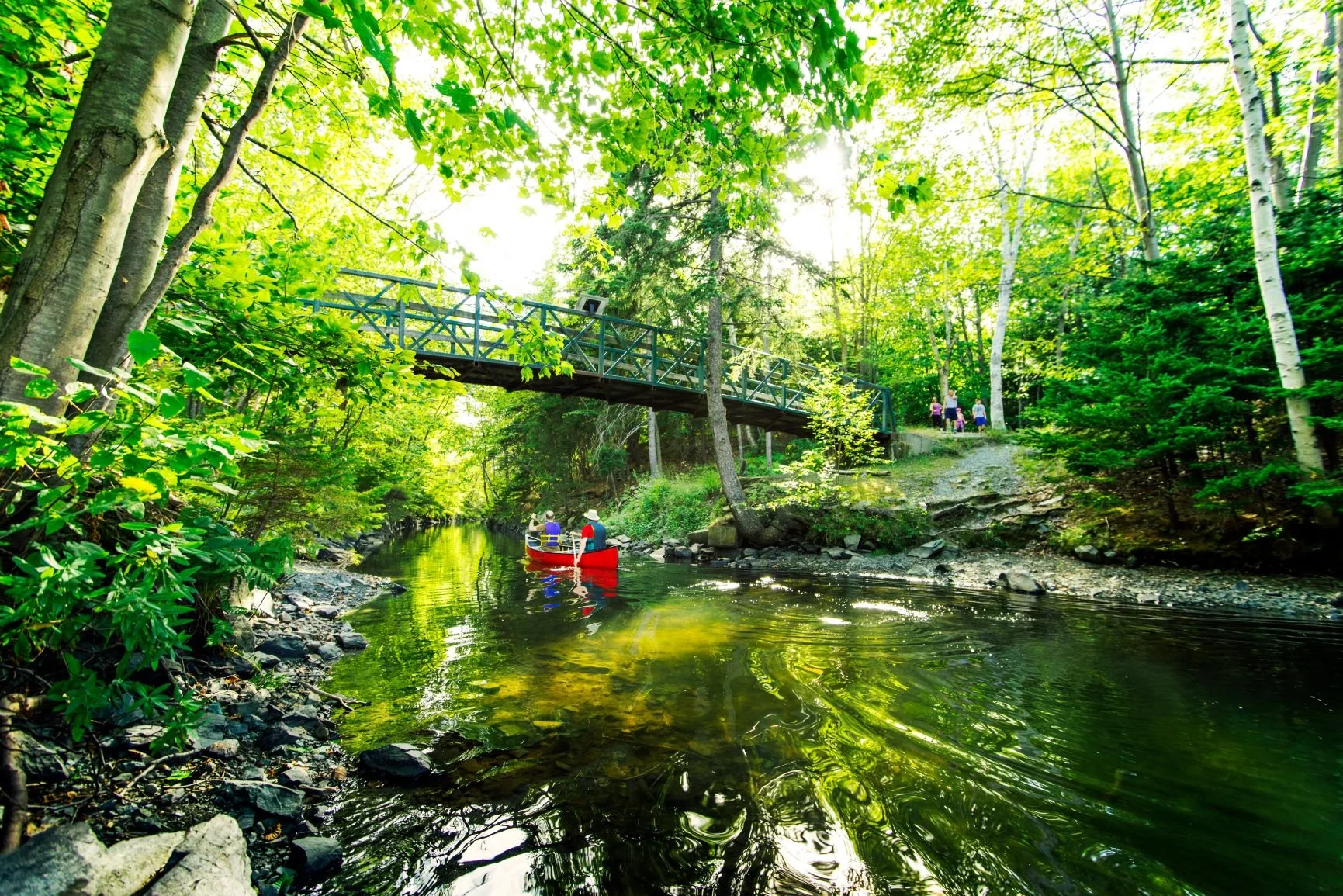
  • the woodland boardwalk and pedestrian bridge;

  • the historic remains of Lock 6;

  • interpretive panels highlighting the area's natural and cultural heritage; and

  • views of the Sipekne’katik (Shubenacadie) River and one of Nova Scotia's Treasured Wetlands.

The Commission remains committed to preserving, interpreting, and promoting the historic and natural features of Lock 6 Park while making responsible decisions about public infrastructure.